The TP-Link Tri-Band BE9700 WiFi 7 Router review is for buyers weighing a newer tri-band setup and multi-gig ports against a simpler router for everyday use.
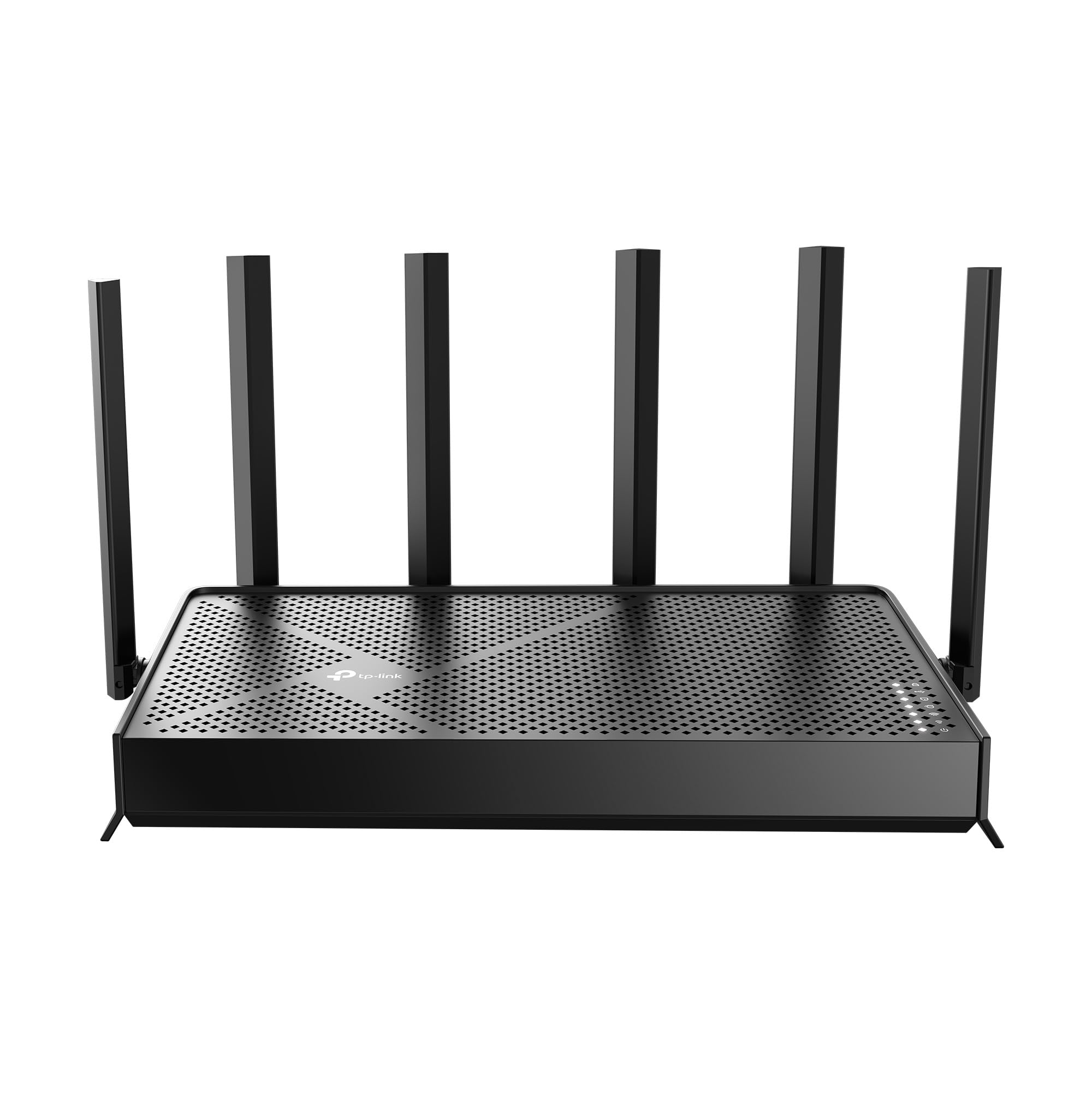
The Archer BE600 combines WiFi 7 features with up to 10 Gbps wired connectivity and home-network management tools.
Archer BE600 Review Summary
The quick verdict
600+ ratings
Read Amazon ReviewsTP-Link Archer BE600
A strong fit for households seeking WiFi 7, a 6 GHz band, and several multi-gig wired connections in one router.
- Tri-band WiFi 7 with listed maximum band speeds of up to 5,765 Mbps on 6 GHz, 2,882 Mbps on 5 GHz, and 1,032 Mbps on 2.4 GHz.
- WiFi 7 features include Multi-Link Operation, Multi-RUs, 4K-QAM, and support for channels up to 320 MHz.
- Wired ports comprise one 10 Gbps WAN/LAN port, one 2.5 Gbps WAN/LAN port, and three 2.5 Gbps LAN ports.
- Six antennas and Beamforming accompany a stated coverage capacity of up to 2,600 square feet and up to 120 devices.

Pros
- A 6 GHz band gives compatible WiFi 7 devices an additional wireless band to use.
- Five multi-gig ports, including a 10 Gbps port, suit homes combining a fast internet connection with wired network devices.
Consider before buying
- The maximum wireless speeds, coverage area, and device count are conditional figures; the router cannot ensure those results across every home or client device.
- The 6 GHz band and WiFi 7 features are most relevant when the household has compatible devices and suitable placement.
Read the full review summary
The Archer BE600’s strongest appeal is the breadth of its connectivity.
Its tri-band WiFi 7 design includes a 6 GHz band with a listed speed of up to 5,765 Mbps, while the 10 Gbps WAN/LAN port, second 2.5 Gbps WAN/LAN port, and three 2.5 Gbps LAN ports give a multi-gig setup several wired connection options.
It is aimed at homes with newer WiFi 7 devices, multi-gig internet or wired equipment, and enough simultaneous activity to make a third band useful.
The listed coverage and device capacities are ceilings rather than guarantees for every home; layout, walls, client devices, and internet service affect the experience. Buyers with more modest needs may not make practical use of all this hardware.
The buying factors
Archer BE600 Scorecard
Editorial scores reflect listed features and buyer fit; they are not laboratory measurements or customer ratings.
Wireless band options
Tri-band WiFi 7 includes 2.4 GHz, 5 GHz, and 6 GHz, with MLO and wide-channel support for compatible devices.
Multi-gig wired connectivity
One 10 Gbps WAN/LAN port, one 2.5 Gbps WAN/LAN port, and three 2.5 Gbps LAN ports offer substantial wired flexibility.
Capacity for busy homes
The design is rated for up to 120 devices, and tri-band operation can give compatible clients more band choices.
Coverage potential
Six antennas and Beamforming support a stated coverage area of up to 2,600 square feet, though real coverage depends on the home.
Setup and management
The Tether app and web interface provide two ways to set up and manage network settings.
Network features
HomeShield features and VPN client and server support add useful network management options for households that want them.
Key Features and Specifications of Archer BE600
- Tri-band WiFi 7 with listed maximum band speeds of up to 5,765 Mbps on 6 GHz, 2,882 Mbps on 5 GHz, and 1,032 Mbps on 2.4 GHz.
- WiFi 7 features include Multi-Link Operation, Multi-RUs, 4K-QAM, and support for channels up to 320 MHz.
- Wired ports comprise one 10 Gbps WAN/LAN port, one 2.5 Gbps WAN/LAN port, and three 2.5 Gbps LAN ports.
- Six antennas and Beamforming accompany a stated coverage capacity of up to 2,600 square feet and up to 120 devices.
- HomeShield includes network protection, parental controls, and IoT security features.
- VPN client and server support lets home devices connect to remote VPN servers without installing VPN software on each device; simultaneous VPN and regular internet connections are supported.
- Setup and network management are available through the Tether app for Android and iOS or a web interface.
Pros and Cons of Archer BE600
Pros
- A 6 GHz band gives compatible WiFi 7 devices an additional wireless band to use.
- Five multi-gig ports, including a 10 Gbps port, suit homes combining a fast internet connection with wired network devices.
- The design pairs tri-band WiFi 7 with a stated capacity of up to 120 devices.
- VPN support, parental controls, and IoT security broaden its appeal beyond basic routing.
Consider before buying
- The maximum wireless speeds, coverage area, and device count are conditional figures; the router cannot ensure those results across every home or client device.
- The 6 GHz band and WiFi 7 features are most relevant when the household has compatible devices and suitable placement.
- Before buying for a specific internet plan or wired setup, check which port will serve as WAN and whether the modem and connected equipment support the intended multi-gig speeds.
Who Should Buy Archer BE600?
Good fit
Consider the Archer BE600 if your home has WiFi 7 devices, a multi-gig internet plan, or several wired devices that would benefit from faster-than-gigabit connections.
Its multiple 2.5 Gbps LAN ports and 10 Gbps WAN/LAN port give you room to build around fast wired links, while its tri-band design offers more wireless options than a dual-band router.
It also makes sense for a household that will use some of the additional management features.
HomeShield provides network, parental, and IoT security tools, and the VPN client and server support can help if you want network-level access to a remote VPN service or a home VPN connection.
Before choosing it, map the ports to your actual setup and consider where the router can sit.
The advertised coverage is a maximum, so a large or obstructed floor plan may require a different network arrangement to reach distant rooms reliably.
Who should skip it
Skip it if your internet service and wired devices are limited to ordinary gigabit connections and your current router already covers your home.
The additional bands, WiFi 7 features, and multi-gig ports may not offer a meaningful upgrade for that setup.
Look elsewhere if your buying decision depends on guaranteed coverage in a particular floor plan or maximum speeds on older client devices. Those outcomes depend on the environment, service, and device compatibility.
How the Archer BE600 Fits a WiFi 7 Home
Tri-band WiFi 7 and client compatibility
The three bands give the router distinct 2.4, 5, and 6 GHz options, and the listed WiFi 7 features include Multi-Link Operation, Multi-RUs, 4K-QAM, and channels up to 320 MHz.
These are most relevant when client devices support the corresponding capabilities; older devices may not use all of them.
The listed band speeds describe maximums for the bands, not a guaranteed speed for one device or an internet connection.
A wired layout built for multi-gig connections
The port arrangement is unusually useful for a household with several fast wired devices: three LAN ports support up to 2.5 Gbps, and the two WAN/LAN ports offer 2.5 Gbps and 10 Gbps options.
Because the higher-speed ports can be assigned WAN or LAN roles, check how you intend to connect the modem and other equipment before purchase.
Their practical value depends on the speeds supported by the internet plan, modem, and connected devices.
Coverage claims and home layout
Six antennas and Beamforming are intended to direct WiFi toward connected devices, while the stated coverage reaches up to 2,600 square feet and capacity reaches up to 120 devices.
Treat these as design targets, not promises for every building. Wall materials, room layout, router placement, and device capabilities can change coverage and performance; consider whether a single-router arrangement suits your home before relying on the maximum area.
Management, VPN, and home controls
The Tether app and web interface give buyers familiar routes for setup and network management.
HomeShield brings together network protection, parental controls, and IoT security, while VPN client and server functions can connect devices to a remote VPN without individual VPN software and support VPN and regular internet connections at the same time.
If those tools matter to your household, check the available settings and service terms for the functions you plan to use.
Alternatives to Archer BE600
Computer Routers alternative
5,000+ ratings
Read Amazon ReviewsTP-Link Archer AXE75
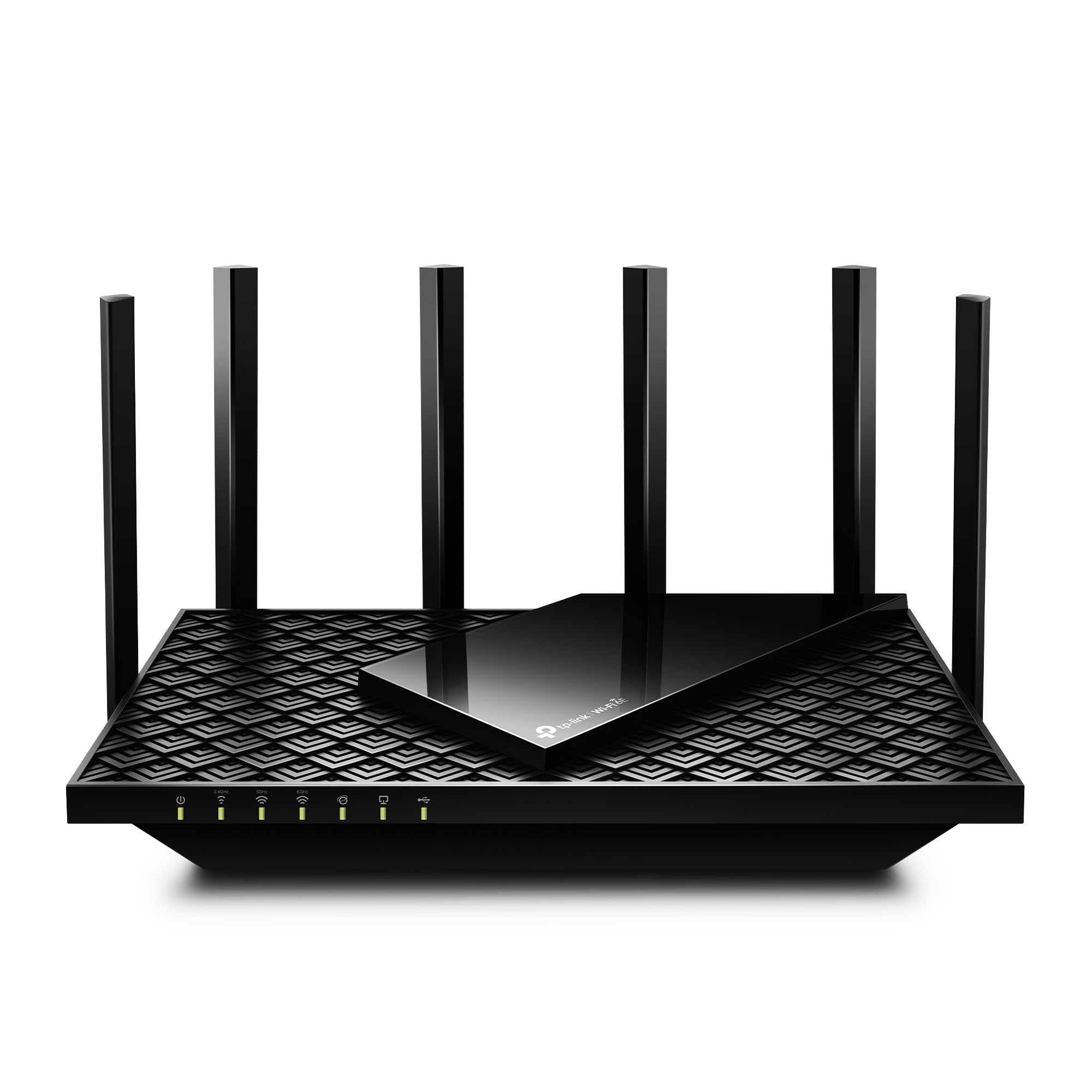
Choose the BE600 if WiFi 7 features and multiple multi-gig wired connections are priorities. The AXE75 is a relevant fit if WiFi 6E meets your needs and OneMesh support better matches your planned home coverage.
- The Archer AXE75 is a tri-band WiFi 6E model with a 6 GHz band, a 2.5 Gbps WAN port, OneMesh support, and VPN client and server support.
- The Archer BE600 offers WiFi 7 across three bands, including 6 GHz, and more multi-gig wired ports, with a 10 Gbps option.
Computer Routers alternative
1,000+ ratings
Read Amazon ReviewsTP-Link Archer BE230
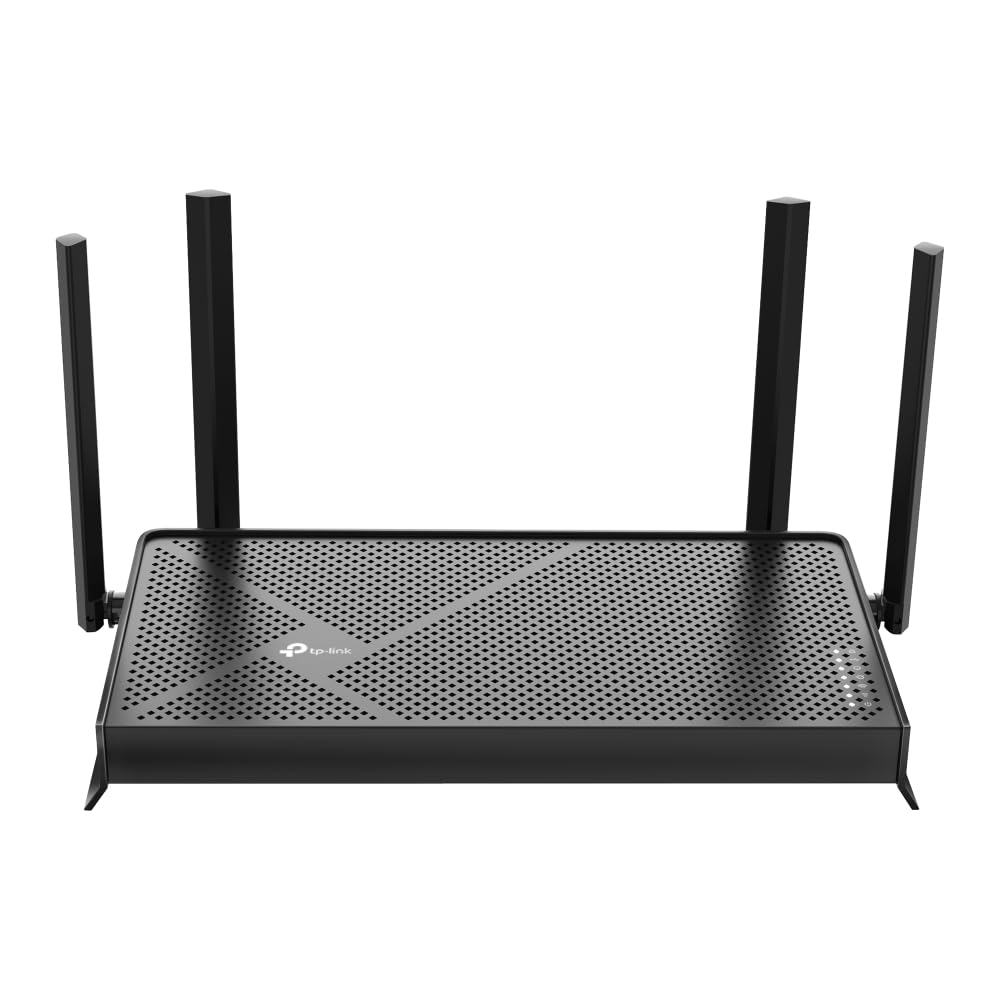
The BE600 suits buyers who want tri-band WiFi 7 and several multi-gig LAN connections.
Consider the BE230 if dual-band WiFi 7 fits your needs and USB 3.0 or EasyMesh matters more than a 6 GHz band and multiple 2.5 Gbps LAN ports.
- The Archer BE230 is a dual-band WiFi 7 router without 6 GHz, with one 2.5 Gbps WAN/LAN port, one 2.5 Gbps LAN port, three 1 Gbps LAN ports, USB 3.0, and EasyMesh support.
- The Archer BE600 has three wireless bands, including 6 GHz, a stated capacity of up to 120 devices, and three 2.5 Gbps LAN ports.
Is Archer BE600 Worth It?
The TP-Link Archer BE600 is worth considering if you can use its WiFi 7 tri-band design and multi-gig wired connectivity.
Its mix of a 6 GHz band, multiple 2.5 Gbps LAN ports, a 10 Gbps WAN/LAN option, and network-management tools gives a capable household several ways to grow.
Buy it with a clear view of your actual internet and device speeds. The maximum wireless rates and coverage are conditional, and buyers with basic gigabit needs may get little value from the extra capacity.
For a compatible, busy home with multi-gig equipment, its feature set is a strong match.
Your review at a glance
600+ ratings
Read Amazon ReviewsTP-Link Archer BE600
A strong fit for households seeking WiFi 7, a 6 GHz band, and several multi-gig wired connections in one router.
- Tri-band WiFi 7 with listed maximum band speeds of up to 5,765 Mbps on 6 GHz, 2,882 Mbps on 5 GHz, and 1,032 Mbps on 2.4 GHz.
- WiFi 7 features include Multi-Link Operation, Multi-RUs, 4K-QAM, and support for channels up to 320 MHz.
- Wired ports comprise one 10 Gbps WAN/LAN port, one 2.5 Gbps WAN/LAN port, and three 2.5 Gbps LAN ports.
- Six antennas and Beamforming accompany a stated coverage capacity of up to 2,600 square feet and up to 120 devices.